Water Technology Startups: Top Challenges and How to Minimize Them
Discovering Water Technology Startups: Just How They Revolutionize Sustainable Solutions
Water Technology startups are becoming crucial gamers in the quest for sustainable remedies to global water issues. These firms utilize cutting-edge innovations to improve water effectiveness and management. Their payments attend to pushing challenges such as scarcity and contamination. However, regardless of their possibility, they encounter numerous challenges that might impact their success. Understanding these characteristics clarifies the future of water sustainability and the role these start-ups may play in shaping it.
The Importance of Water Technology in Today's World
As international water deficiency escalates, the relevance of water Technology ends up being increasingly apparent. Water Technology plays a crucial role in attending to the challenges postured by enhancing and decreasing fresh water resources need. It includes a broad array of advancements, including advanced purification systems, wastewater therapy modern technologies, and clever irrigation options. These innovations not just improve the performance of water use however also promote lasting methods throughout various fields, including farming, sector, and metropolitan development.
In addition, the value of water Technology expands beyond source management. It promotes resilience versus environment change effects, such as floods and droughts, by supplying flexible remedies for water preservation and administration. Furthermore, it sustains public wellness by ensuring access to tidy and secure drinking water. As the world deals with expanding water-related obstacles, the integration of innovative water technologies is vital for fostering lasting advancement and safeguarding water schedule for future generations.
Ingenious Solutions From Water Tech Startups
While traditional approaches to water management have actually offered their purpose, a new age of water technology start-ups is revolutionizing the industry with ingenious remedies (Water Technology Startups). These firms utilize cutting-edge technologies to resolve pushing water concerns, such as deficiency, contamination, and inefficient circulation. Lots of startups make use of synthetic knowledge and artificial intelligence to maximize water usage and forecast need, resulting in even more lasting techniques
Additionally, numerous firms concentrate on establishing advanced filtering systems that remove contaminants and make water secure for usage. Others discover decentralized water treatment technologies, permitting neighborhoods to manage their water sources better. Moreover, some start-ups are introducing wise irrigation options that reduce water waste in agriculture, promoting ecological conservation.
Situation Researches: Effective Water Technology Startups
Various water Technology startups have actually emerged as leaders in dealing with worldwide water obstacles through ingenious strategies. One noteworthy example is Xylem, which concentrates on water analytics and wise facilities to maximize water usage and reduce waste. Their services have been applied in various municipalities, demonstrating considerable enhancements in water management performance.
Another successful startup, Zero Mass Water, has actually created solar-powered hydropanels that draw out water vapor from the air, supplying lasting alcohol consumption water in arid areas. Water Technology Startups. This Technology has been released in a number of countries, guaranteeing neighborhoods have accessibility to clean water
Lastly, AquaVenture Holdings runs a diverse portfolio of water-as-a-service services, attending to water shortage with desalination and wastewater therapy. Their projects have shown crucial in areas dealing with severe water scarcities, showcasing the possibility of innovative water technologies to develop enduring, positive influences. These situation studies highlight the transformative possibility of startups in the water Technology industry.
The Role of Smart Technology in Water Administration
Smart Technology plays an important role in modern water monitoring by leveraging IoT applications to enhance resource use. Information analytics improves effectiveness by providing workable insights, while remote surveillance remedies allow real-time oversight of water supply. With each other, these developments change exactly how water is managed, advertising sustainability and operational efficiency.
IoT Applications in Water
As water scarcity and monitoring difficulties heighten globally, the assimilation of Web of Points (IoT) applications has become a critical service in maximizing water resources. IoT Technology promotes real-time monitoring and evaluation of water supply, enabling a lot more effective usage and management. Sensing units deployed in various water facilities can track quality, flow prices, and leak, supplying valuable information to stakeholders. This information empowers energies and customers to make enlightened decisions, minimizing waste and boosting preservation initiatives. In addition, smart watering systems make use of IoT to maximize water distribution for farming, making certain that crops obtain the best amount of water at the right time. Generally, IoT applications are transforming standard water monitoring practices, cultivating sustainability and durability in water source systems.
Information Analytics for Effectiveness
Harnessing information analytics is vital for enhancing efficiency in water management. Water Technology startups are significantly utilizing innovative analytics to maximize source allocation and decrease waste. By evaluating data from numerous sources, these startups can determine patterns and patterns that inform better decision-making. Predictive analytics can forecast water demand, allowing energies to readjust supply accordingly, thus reducing surpluses and shortages. In addition, real-time information handling allows the instant detection of leaks and ineffectiveness within circulation systems, substantially lowering operational prices. Moreover, data-driven understandings equip stakeholders to carry out targeted conservation strategies, cultivating lasting techniques. Fundamentally, incorporating information analytics into water monitoring not just improves operations but additionally promotes long-term sustainability in water source usage.
Remote Surveillance Solutions
While conventional water management systems often fight with inadequacies, remote tracking solutions are changing just how water sources are managed. These cutting-edge innovations enable real-time information collection and evaluation, permitting stakeholders to keep an eye on water top quality, flow rates, and usage patterns from afar. Making use of sensors and IoT devices, remote tracking gives instant understandings that assist in positive decision-making. This shift not only boosts functional performance but also advertises sustainability by minimizing water waste and maximizing resource appropriation. In addition, remote tracking systems can recognize possible problems prior to they rise, thereby reducing the danger of contamination or framework failing. As water Technology start-ups remain to develop these services, the market is positioned for substantial improvements in lasting water monitoring methods.
Obstacles Facing Water Technology Startups
Water Technology startups come across substantial difficulties that can prevent their growth and success. Key problems consist of safeguarding ample funding, maneuvering via complex regulatory environments, and competing in a crowded marketplace. These obstacles require critical planning and development to get rid of.
Funding and Investment Hurdles
Advancement in water Technology holds tremendous capacity for resolving worldwide obstacles, start-ups in this industry typically deal with considerable funding and investment difficulties. Numerous investors continue to be mindful, viewing the water field as high-risk because of its complicated governing landscape and long growth timelines. In addition, start-ups usually have a hard time to demonstrate instant success, which can hinder possible backers. Conventional equity capital might forget water innovation, favoring sectors with quicker returns, such as tech or durable goods. Furthermore, protecting grants and government funding can be competitive and time-consuming, more making complex financial stability. Water Technology Startups. As an outcome, lots of innovative water Technology startups discover themselves in a ragged edge, requiring innovative funding methods to browse these economic barriers and achieve their objectives
Regulative Conformity Issues
Guiding governing compliance is a considerable challenge for startups in the water Technology field, as they must come to grips with a myriad of regional, nationwide, and worldwide guidelines. These laws typically incorporate water quality requirements, ecological defense laws, and safety protocols, which can vary widely across territories. Start-ups might discover it difficult to navigate this complicated landscape, specifically when scaling procedures or entering new markets. The prices associated with compliance can be substantial, diverting sources far from development and product development. Additionally, hold-ups in getting essential authorizations or qualifications can prevent development and market entrance. Consequently, a robust understanding of regulatory frameworks is vital for these start-ups to guarantee sustainable procedures and prevent prospective legal repercussions.
Market Competitors Dynamics
As water Technology startups emerge in a competitive landscape, they face countless obstacles that can hamper their growth and advancement. Developed companies commonly control the marketplace, leveraging sources and experience to preserve their placements. Start-ups have problem with restricted funding, which limits research and growth abilities, making it challenging to complete on Technology and rates. Additionally, the quickly evolving nature of water technologies demands consistent adjustment, additional straining startup resources. Governing obstacles can complicate market access, as compliance with ecological standards is essential yet expensive. Finally, drawing in skilled skill in a niche field offers an additional obstacle, as bigger firms may supply more attractive employment bundles. Subsequently, these factors produce an intricate setting for water Technology startups intending to succeed.

The Future of Water Technology and Sustainability
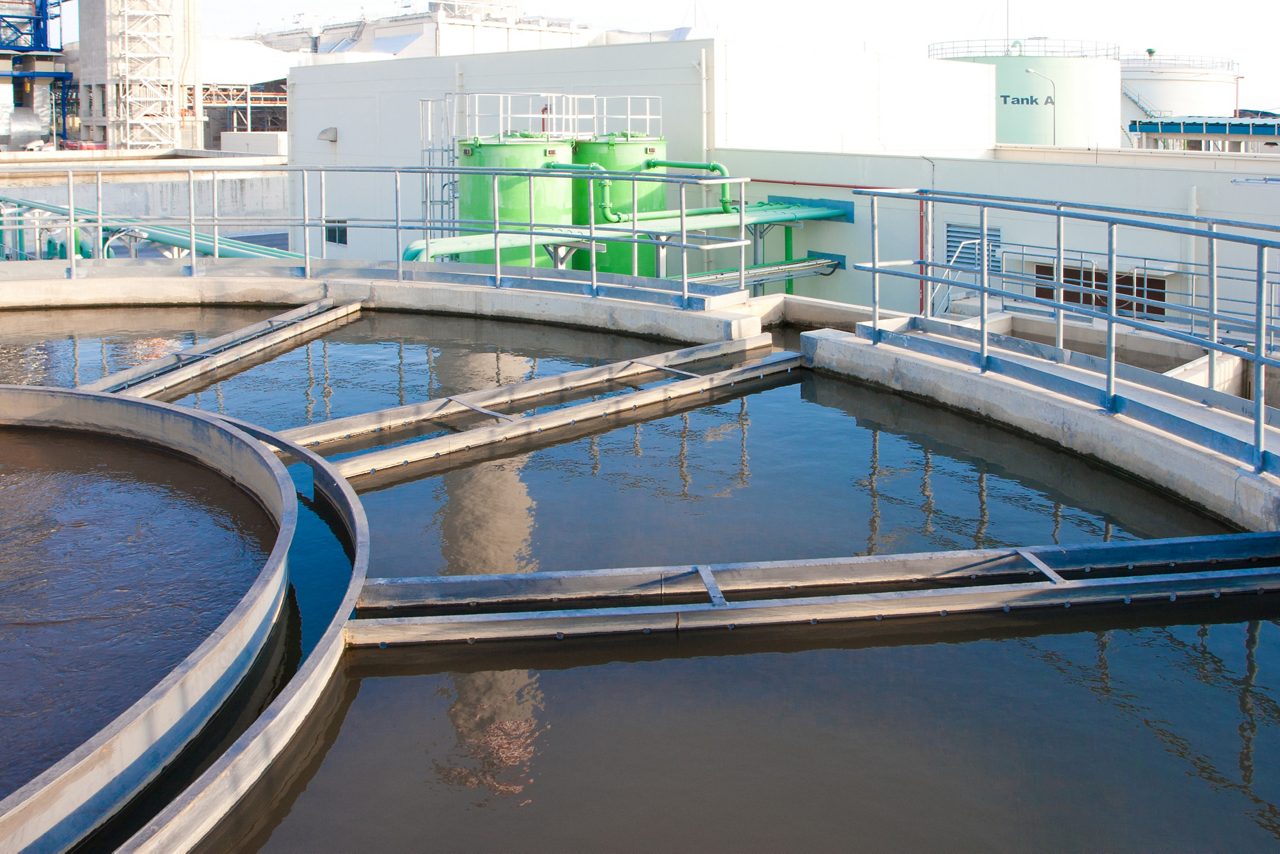
The future of water Technology will likely concentrate on incorporating expert system and data analytics to maximize water distribution and use patterns. By utilizing real-time information, business can forecast lacks and manage sources better. In addition, lasting practices will certainly come to be a keystone of the market, urging circular economic situations where water is reused and dealt with. Eventually, the continued development of water Technology will certainly be important in developing resistant frameworks efficient in fulfilling the challenges posed by climate modification and population growth while promoting environmental stewardship.
Often Asked Concerns
What Are the Secret Metrics for Assessing Water Technology Startups?
Trick metrics for reviewing water Technology start-ups include market possibility, scalability, consumer acquisition costs, income development, technology innovation, regulatory compliance, environmental effect, affordable advantage, and group knowledge, all essential for identifying long-lasting feasibility and success.
Exactly How Can Individuals Support Water Technology Innovations?
Individuals can support water Technology innovations by purchasing startups, advocating for plan changes, joining community efforts, sharing understanding regarding sustainable methods, and promoting awareness of water issues through social networks and regional occasions.
What Are Typical Financing Sources for Water Technology Startups?
Common funding sources for water technology startups consist of venture capital, government gives, crowdfunding systems, angel financiers, and corporate collaborations. These economic opportunities help facilitate innovation and growth in lasting water management technologies.

Which Industries Benefit Most From Water Technology Advancements?
Industries such as farming, power, manufacturing, and municipal services profit substantially from water Technology improvements. These developments enhance water performance, minimize expenses, and advertise lasting methods, inevitably contributing to ecological conservation and source administration.
Exist Any Regulative Obstacles Particular to Water Modern Technology?
Yes, water Technology faces regulative obstacles, including conformity with environmental requirements, allowing processes, and varying local regulations. These complexities can impede innovation and reduce the implementation of brand-new technologies in the water administration industry.
Water Technology startups are arising as vital gamers in the mission for lasting solutions to worldwide water issues. As international water scarcity intensifies, the importance of water Technology comes to be progressively apparent. Others explore decentralized water therapy innovations, enabling areas to handle their water sources more efficiently. One more successful startup, Zero Mass Water, has established solar-powered hydropanels that draw out water vapor from the air, supplying lasting drinking water in dry areas. Their tasks have proven important in regions facing serious water scarcities, showcasing the possibility of innovative water technologies to develop long lasting, favorable influences.